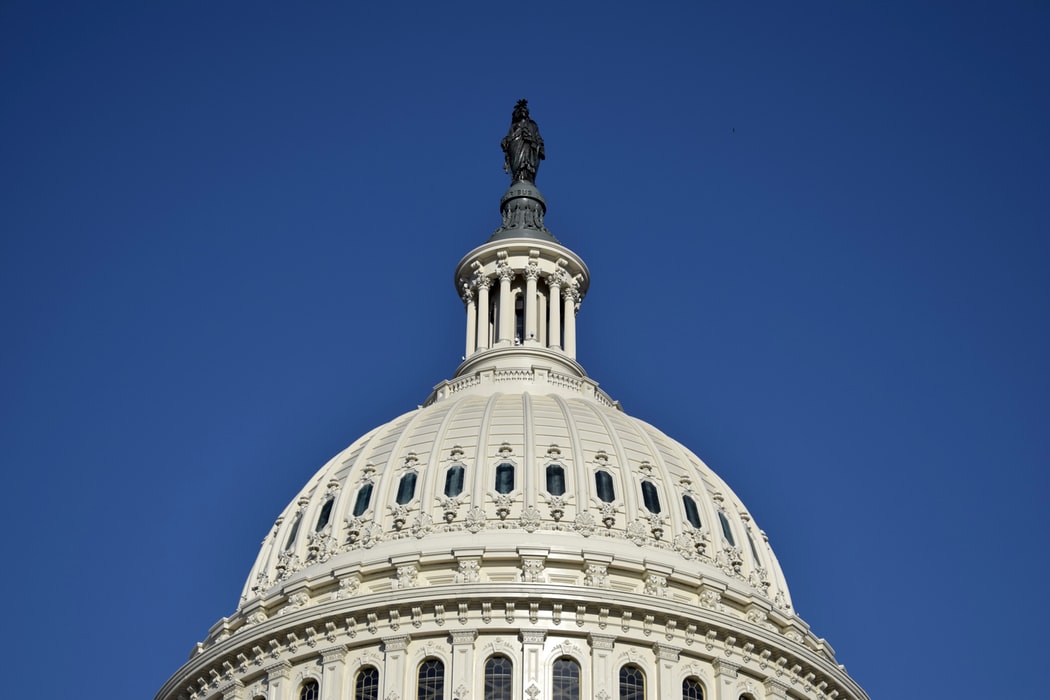
Send an Email to Congress to Protect the Freedom to Read
Send an email to Congress and tell your representative and senators that you’ll be voting for the freedom to read in November. A short, personal message from a constituent is one of the clearest signals a lawmaker gets that an issue matters back home.
Use the form on the right to send it. You can pick one of the three templates below, or write your own. Whichever you choose, the message is the same: the freedom to read belongs to families, educators, and communities, not the government.
Template #1: Freedom/1A
Subject: Protect the Freedom to Read
Dear [LEGISLATOR/LEGISLATOR’S NAME],
I’m a constituent from [CITY/ZIP], and I’m writing to let you know that I will be voting for the freedom to read in November.
You don’t have to agree with every book to believe Americans should be free to read it. The freedom to read is part of the freedom to think, learn, question, and make our own decisions.
Families and communities may make different choices about what is appropriate for their children, but those choices should not become political mandates for everyone else. We should trust families, educators, librarians, and communities to make those decisions—not have the politicians decide which ideas people are allowed to encounter.
Please oppose any effort that would mandate politically-driven, viewpoint-based censorship in our publicly-funded schools, libraries, parks, and museums.
Thank you,
[NAME]
[CITY/ZIP]
Template #2: Equal Access/Educational Opportunity
Subject: Protect Students’ Freedom to Read
Dear [LEGISLATOR/LEGISLATOR’S NAME],
I’m a constituent from [CITY/ZIP], and I’m writing to let you know that I will be voting for the freedom to read in November.
Every student deserves the opportunity to discover the books that help them learn, grow, and imagine what’s possible. Equal educational opportunity starts with equal access to knowledge, ideas, and stories.
Students benefit when they can encounter a wide range of perspectives and experiences. When books disappear from school and library shelves, those opportunities disappear with them.
Protecting the freedom to read is part of protecting educational opportunity. Please oppose legislation that would unnecessarily restrict students’ access to books and information.
Thank you for standing up for students and the freedom to read.
Sincerely,
[NAME]
[CITY/ZIP]
Template #3: Empathy/Do Unto Others
Subject: Let Families Choose What They Read
Dear [LEGISLATOR/LEGISLATOR’S NAME],
I’m a constituent from [CITY/ZIP], and I’m writing to let you know that I will be voting for the freedom to read in November.
We all want what’s best for our children, but families don’t always make the same choices—and that’s okay. We may not choose the same books for our children, but we can respect one another’s freedom to make those decisions.
What one family chooses not to read shouldn’t determine what another family is allowed to read. The freedom to read means giving families, educators, and communities room to make thoughtful choices based on their own values and the needs of their children and students.
Our communities are stronger when we make room for different perspectives and experiences.
Please oppose any effort that would restrict the freedom to read and instead support legislation that trusts families and communities to make these decisions.
Thank you,
[NAME]
[CITY/ZIP]
Choose a message
Send an Email to Congress to Protect the Freedom to Read
Send an email to Congress and tell your representative and senators that you’ll be voting for the freedom to read in November. A short, personal message from a constituent is one of the clearest signals a lawmaker gets that an issue matters back home.
Use the form on the right to send it. You can pick one of the three templates below, or write your own. Whichever you choose, the message is the same: the freedom to read belongs to families, educators, and communities, not the government.
Template #1: Freedom/1A
Subject: Protect the Freedom to Read
Dear [LEGISLATOR/LEGISLATOR’S NAME],
I’m a constituent from [CITY/ZIP], and I’m writing to let you know that I will be voting for the freedom to read in November.
You don’t have to agree with every book to believe Americans should be free to read it. The freedom to read is part of the freedom to think, learn, question, and make our own decisions.
Families and communities may make different choices about what is appropriate for their children, but those choices should not become political mandates for everyone else. We should trust families, educators, librarians, and communities to make those decisions—not have the politicians decide which ideas people are allowed to encounter.
Please oppose any effort that would mandate politically-driven, viewpoint-based censorship in our publicly-funded schools, libraries, parks, and museums.
Thank you,
[NAME]
[CITY/ZIP]
Template #2: Equal Access/Educational Opportunity
Subject: Protect Students’ Freedom to Read
Dear [LEGISLATOR/LEGISLATOR’S NAME],
I’m a constituent from [CITY/ZIP], and I’m writing to let you know that I will be voting for the freedom to read in November.
Every student deserves the opportunity to discover the books that help them learn, grow, and imagine what’s possible. Equal educational opportunity starts with equal access to knowledge, ideas, and stories.
Students benefit when they can encounter a wide range of perspectives and experiences. When books disappear from school and library shelves, those opportunities disappear with them.
Protecting the freedom to read is part of protecting educational opportunity. Please oppose legislation that would unnecessarily restrict students’ access to books and information.
Thank you for standing up for students and the freedom to read.
Sincerely,
[NAME]
[CITY/ZIP]
Template #3: Empathy/Do Unto Others
Subject: Let Families Choose What They Read
Dear [LEGISLATOR/LEGISLATOR’S NAME],
I’m a constituent from [CITY/ZIP], and I’m writing to let you know that I will be voting for the freedom to read in November.
We all want what’s best for our children, but families don’t always make the same choices—and that’s okay. We may not choose the same books for our children, but we can respect one another’s freedom to make those decisions.
What one family chooses not to read shouldn’t determine what another family is allowed to read. The freedom to read means giving families, educators, and communities room to make thoughtful choices based on their own values and the needs of their children and students.
Our communities are stronger when we make room for different perspectives and experiences.
Please oppose any effort that would restrict the freedom to read and instead support legislation that trusts families and communities to make these decisions.
Thank you,
[NAME]
[CITY/ZIP]